
Why science needs the strange

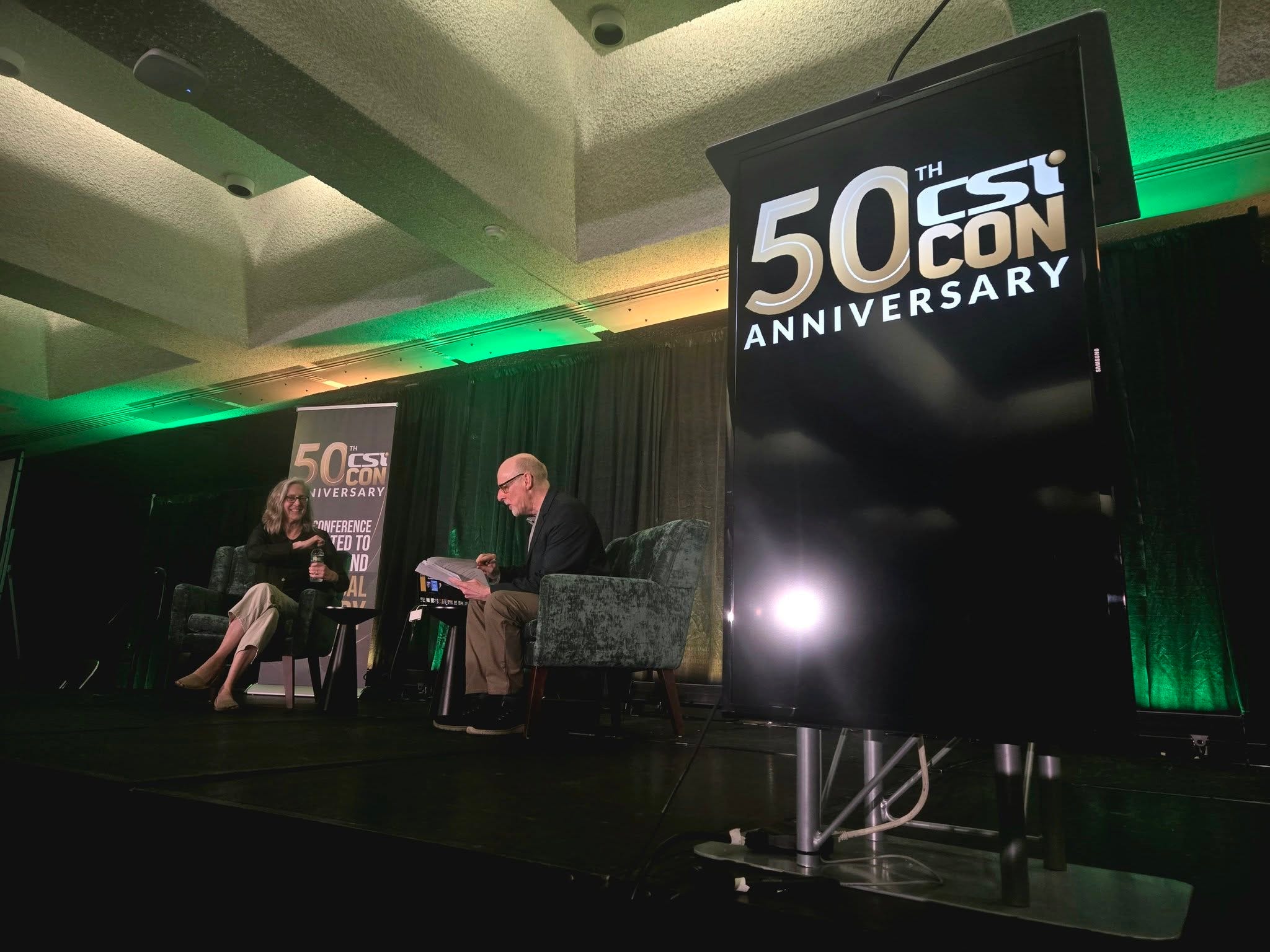
I have just returned from Buffalo, where I attended a conference hosted by the brilliant Committee for Skeptical Inquiry (CSI). In one session I interviewed science writer Mary Roach about her wonderful books and in another I gave a talk about the power of paranormal research. While mainstream scientists often dismiss such work as fringe, my talk highlighted how investigating weird stuff frequently drives scientific breakthroughs. Here are a couple of examples….
The Mind Machine
Born in Germany in 1873, Hans Berger enlisted in the cavalry in his twenties. One day, he was thrown from his horse and nearly trampled to death. At that exact moment, his sister (who was miles away) was overcome by an overwhelming feeling that her brother was in danger.
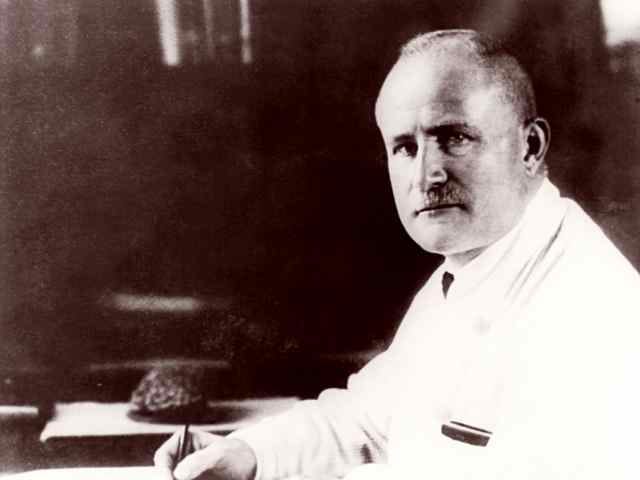
Convinced this was telepathy in action, Berger dedicated over twenty years of his life to creating a machine that could measure thoughts leaving the brain. He never did prove telepathy existed, but his obsession left us a world-changing legacy. Why? Because Berger attempt to measure thoughts led him to invent the world’s first electroencephalogram (the EEG machine). Today, medics and academic rely on his Berger’s ingenious apparatus to unlock the deepest secrets of the human brain.
The Haunted Wine Glass
Berger isn’t the only scientific pioneer inspired by the paranormal. In the 1950s, Solomon Asch conducted his famous experiments into the psychology of conformity. He showed participants lines of obviously differing lengths to see if they would cave to peer pressure when actors deliberately gave the wrong answers. (Spoiler: they did).
Years later, Asch revealed one of the catalysts for his research. As a young boy attending a religious ceremony, adults told him that the spirits would make their presence known by consuming wine from a glass. Staring intensely at the glass under the power of suggestion, the young Asch was convinced that he saw the wine level drop.

Most scientists study the norm. In my talk, I suggested that we foster innovation by encouraging researchers to take a scientific look at phenomena which appear anomalous, strange, and even downright weird.
Thank you Richard! I never knew the origin of the EEG was a psychic researcher. So many great scientific ideas have their beginnings in dreams, fantasy and irrational things.